

In today’s world, hygiene and cleanliness are critical, especially in high-traffic areas like public restrooms. Airports, shopping malls, and office buildings are some of the busiest spaces where hygiene standards must be meticulously maintained. One of the most effective solutions to ensure a cleaner and safer restroom environment is the Sensor Tap.
Sensor Taps are equipped with automatic sensors that detect hand movement, eliminating the need for users to physically touch the faucet. This touchless feature significantly reduces the spread of germs and bacteria, making them ideal for public restrooms where multiple people use the facilities throughout the day. Traditional faucets, which require users to turn knobs or push handles, create opportunities for the transfer of germs from person to person. In contrast, Sensor Faucet Taps ensure that water flows only when needed, keeping the faucet handles clean and minimizing the likelihood of contamination.
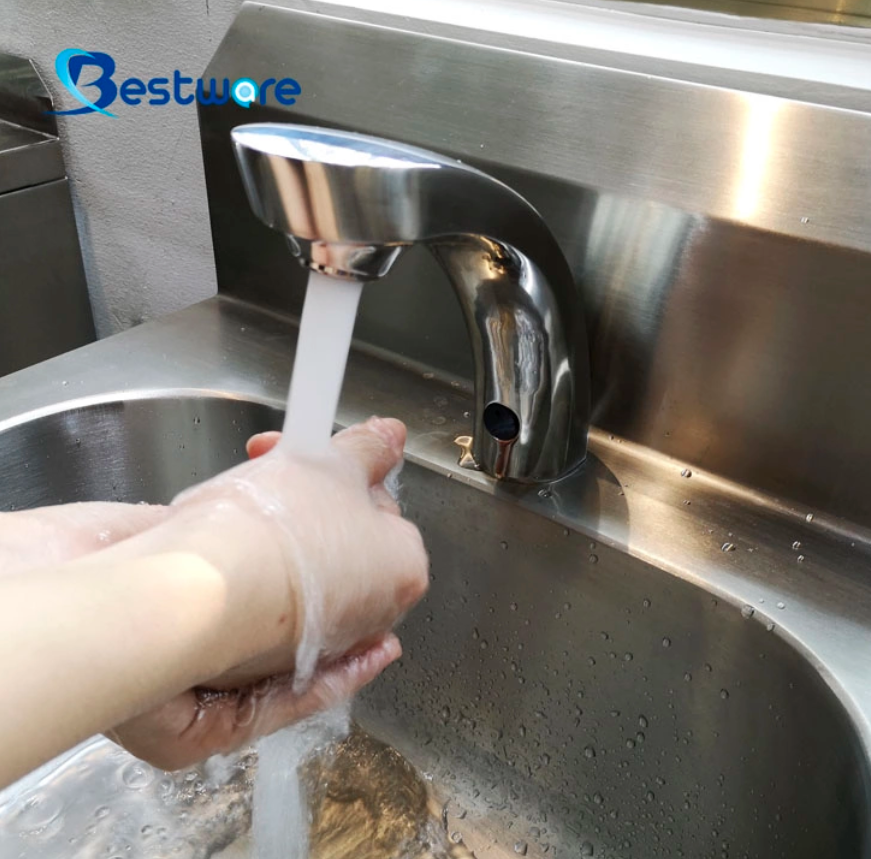
Moreover, Sensor Faucet are not only a hygienic option, but they also improve the overall user experience. They offer convenience and efficiency, with the water flow automatically stopping once hands are removed. This ensures that users can wash their hands quickly and without touching any part of the faucet, reducing the need to interact with a potentially contaminated surface. The automatic shut-off feature also conserves water by preventing unnecessary flow, making these faucets a sustainable choice for modern public restrooms.
Additionally, Sensor Faucet Tap contribute to healthier environments by promoting better hygiene practices. In public spaces where people are constantly coming and going, the less contact with surfaces, the better. With sensor technology, restrooms can offer a hands-free experience that not only benefits individuals but also maintains a cleaner and more sanitary environment for everyone.
As public health concerns continue to be a top priority, the role of Sensor Taps in improving restroom hygiene cannot be overstated. These faucets are an essential component in creating safe, sustainable, and hygienic public spaces, ensuring that cleanliness standards are met in busy environments like airports, malls, and office buildings.