

In recent years, educational institutions and sports facilities have placed increasing emphasis on the importance of hydration as part of promoting healthier lifestyles for students and athletes. One simple yet effective solution to support hydration campaigns is the installation of Manual Drinking Bubbler Taps in key areas. These taps, also known as Drinking Fountain or Drinking Taps, are gaining popularity for their ability to provide convenient access to clean, fresh water throughout the day.
Hydration is crucial for maintaining overall health, cognitive function, and physical performance. In schools and universities, where students often spend long hours studying or participating in physical activities, having easy access to water can help keep them hydrated, improve focus, and boost academic performance. Similarly, in sports facilities, athletes need to stay properly hydrated to enhance their performance, reduce the risk of dehydration-related injuries, and recover effectively after intense workouts.
By installing Manual Drinking Bubbler Tap in public spaces like hallways, gyms, and outdoor sports fields, institutions encourage students and athletes to drink water regularly. These taps not only make hydration convenient but also reinforce the message that drinking water is a healthy habit. Unlike bottled drinks, which are often laden with sugars and artificial additives, water from Drinking Tap offers a pure, natural alternative, supporting long-term health.
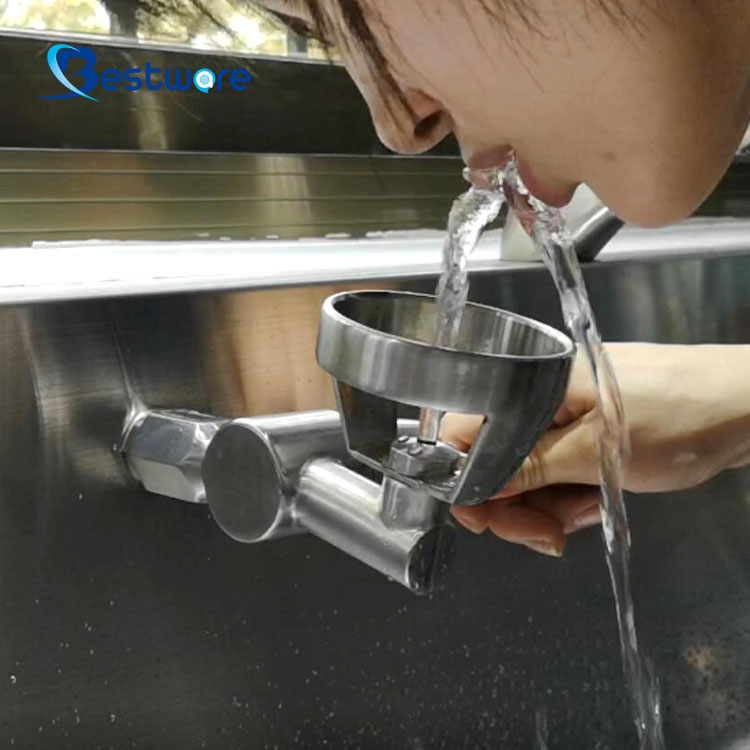
Additionally, the presence of Manual Drinking Bubbler Taps in educational and recreational spaces aligns with sustainability goals. These taps help reduce single-use plastic bottles, which contribute to environmental pollution. By providing a reliable, eco-friendly source of water, these taps contribute to reducing waste and promoting a greener, more sustainable environment.
In conclusion, Manual Drinking Bubbler Taps are more than just functional water dispensers. They are valuable tools in spreading hydration awareness and promoting healthier habits. Whether in schools, universities, or sports facilities, these taps play an essential role in improving the well-being of individuals and fostering a culture of health and sustainability.